
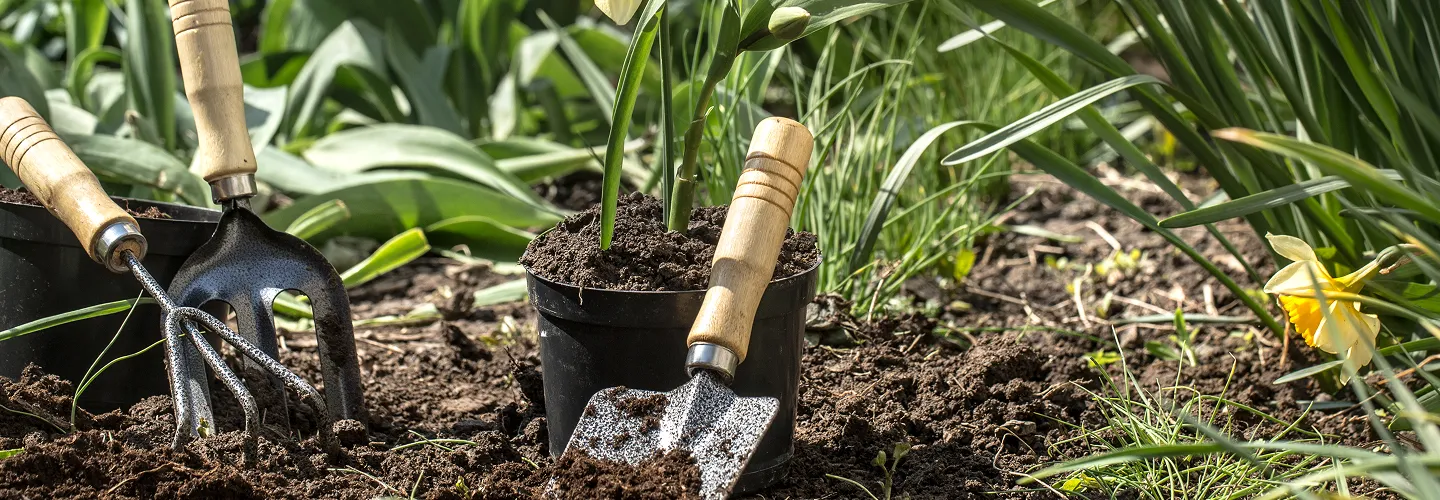
Fall River Flower Bed Maintenance Services
Choose our Flower Bed Maintenance for expert care that keeps your garden healthy, colorful, and weed-free all season long—so you can enjoy stunning curb appeal without the hassle.
Get a Free QuoteOur Fall River Landscaping & Yard Care Services
When to Schedule Flower Bed Maintenance in Fall River, Massachusetts – Seasonal Guide
In Fall River, Massachusetts, the best times for flower bed maintenance are typically early spring and late fall. The city’s coastal climate, with its humid summers and cold winters, means that timing is crucial to ensure your beds thrive. For neighborhoods near Kennedy Park or along the Quequechan River, spring maintenance should begin after the last frost—usually in late April—when soil temperatures rise and perennials start to emerge. Fall cleanups are best scheduled after the first light frost but before the ground freezes, often in late October or early November.
Local factors such as the city’s clay-heavy soils, frequent summer humidity, and the shade provided by mature maples in areas like the Highlands can all impact when and how you should maintain your flower beds. Additionally, municipal guidelines and resources, such as those found on the City of Sudbury’s website, can offer helpful insights for responsible landscaping.
Local Factors to Consider for Flower Bed Maintenance in Fall River
- Proximity to large trees (e.g., in Maplewood or North End) affecting sunlight and leaf litter
- Soil drainage and composition, especially in low-lying or riverside areas
- Average precipitation and risk of summer droughts
- Frost dates and temperature swings unique to the South Coast
- Local ordinances or water use restrictions during dry spells
- Terrain slope and erosion risk, particularly near the Taunton River
- Shade coverage from historic neighborhoods with mature tree canopies
Benefits of Flower Bed Maintenance in Fall River
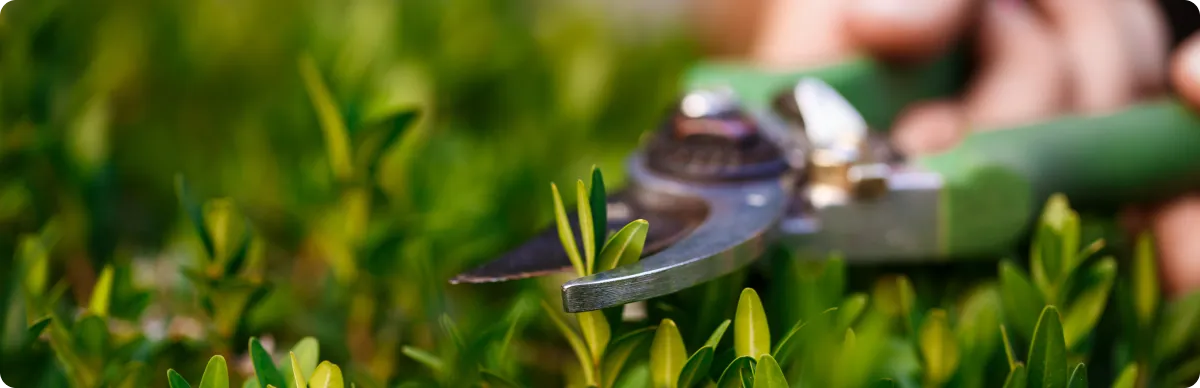
Enhanced Curb Appeal
Weed and Pest Prevention
Healthier Plant Growth
Seasonal Color Optimization
Professional Expertise
Time and Effort Savings
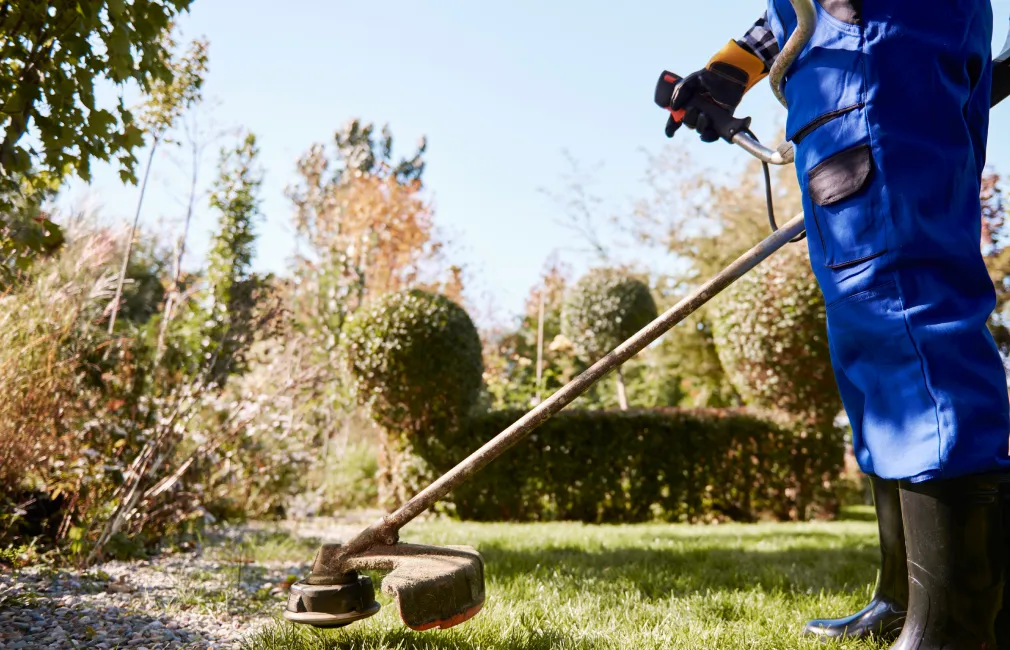
Fall River Flower Bed Maintenance Types

Seasonal Flower Planting
-
Weed Control Services
-
Mulching and Soil Amendment
-
Pruning and Deadheading
-
Fertilization Programs
-
Pest and Disease Management
-
Edging and Bed Redefining
Our Flower Bed Maintenance Process
Site Evaluation
Weed Removal
Soil Preparation
Plant Care
Mulching
Why Choose Fall River Landscape Services
-
Fall River Homeowners Trust Us
-
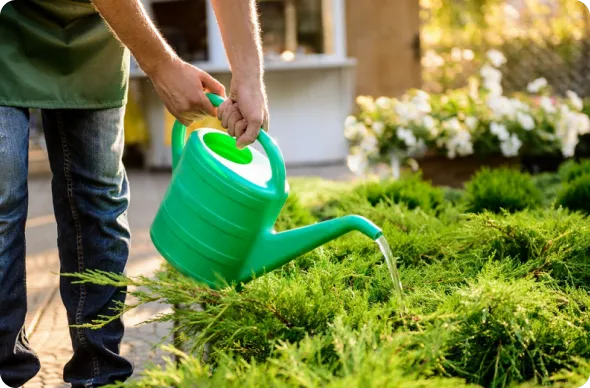
Expert Lawn Maintenance
-
Reliable Seasonal Cleanups
-
Competitive Pricing
-
Professional Team
-
Satisfaction Guarantee
-
Personalized Service
Managing Flower Bed Debris and Yard Waste in Fall River: Municipal Collection and Compliance
Proper disposal of flower bed debris in Fall River is governed by the city’s yard waste collection program, which operates weekly from April through November. Residents must use biodegradable paper bags or 32-gallon reusable containers for leaves, stems, and other plant material; plastic bags and branches over 4 inches in diameter are prohibited. Collection occurs every Thursday, and materials should be placed curbside by 7:00 AM. For large quantities or off-schedule disposal, the DPW Transfer Station at 10 Lewiston Street accepts yard waste during posted hours. Compliance with these procedures is essential to avoid fines and ensure materials are composted rather than entering landfills. For questions about collection schedules or accepted materials:
Fall River Department of Public Works
One Government Center, Fall River, MA 02722
Phone: (508) 324-2760
Official Website: Department of Public Works
Soil Series and Drainage Considerations for Flower Beds in Fall River
Fall River’s predominant soils, including the Hinckley sandy loam and Bridgehampton silt loam, are characterized by moderate to excessive drainage and a pH range of 5.5 to 6.5. These soils often require organic matter amendments to improve water retention and nutrient availability for flower beds. Before planting, incorporate 2-3 inches of compost to a depth of 6 inches and consider lime application if soil pH is below 6.0. Soil testing is available through UMass Extension for a typical fee of $15-25. For detailed soil mapping and site-specific recommendations, consult the USDA Web Soil Survey. Proper soil preparation supports healthy root development and reduces runoff into local waterways such as the Taunton River.
Environmental Regulations: Wetland Buffers and Stormwater Compliance in Fall River
Flower bed maintenance near wetlands, streams, or storm drains in Fall River must comply with both city and state environmental regulations. The Massachusetts Environmental Policy Act (MEPA) requires a 25-foot no-disturbance buffer from wetlands, and no fertilizer or pesticide application is permitted within 50 feet of water bodies. The city’s MS4 permit, regulated by the Massachusetts Department of Environmental Protection, prohibits yard waste and clippings from entering storm drains. To ensure compliance:
- Maintain a 25-foot buffer from wetlands
- Avoid fertilizer/pesticide use within 50 feet of water
- Prevent debris from entering storm drains
- Use only approved products and follow label instructions
For further guidance:
Fall River Conservation Commission
One Government Center, Fall River, MA 02722
Phone: (508) 324-2561
Official Website: Conservation Commission
Seasonal Timing and Climate Considerations for Flower Bed Maintenance in Fall River
Fall River is located in USDA Hardiness Zone 6b, with average last frost dates in late April and first frost in late October. Optimal planting for annuals and perennials occurs from May 1 to June 15, when soil temperatures reach 55°F. Mulching should be completed by mid-May to conserve moisture and suppress weeds. Deadheading and pruning are best performed from June through September. Avoid fertilization during July and August to prevent heat stress. For weather-specific scheduling, consult the National Weather Service Taunton Office, which provides local forecasts and frost advisories. Key timing guidelines:
- Planting: May 1 – June 15 (soil temp 55°F+)
- Mulching: By May 15
- Pruning: June – September
- Fertilization: Early May, late September
Professional Standards and Safety Protocols for Flower Bed Maintenance in Fall River
All flower bed maintenance in Fall River must adhere to city noise ordinances and equipment safety standards. Permitted operation hours for powered equipment are:
- Monday-Friday: 7:00 AM – 7:00 PM
- Saturday: 8:00 AM – 6:00 PM
- Sunday and holidays: Prohibited Operators must use commercial-grade tools with functioning mufflers and maintain noise levels below 85 dB at property lines. Personal protective equipment (PPE) is required, including:
- ANSI Z87.1 safety glasses
- Hearing protection for noise above 85 dB
- Steel-toed boots and cut-resistant gloves
For work near public roads or city parks, coordinate with:
Fall River Parks and Recreation Department
One Government Center, Fall River, MA 02722
Phone: (508) 324-2550
Official Website: Parks and Recreation Department
What Neighborhoods Do We Serve Throughout Fall River, MA?
- Highlands: Features mature landscapes and sloped lots with well-drained sandy loam soils, requiring erosion control and careful mulching practices.
- South End: Characterized by compacted urban soils and smaller lots, often necessitating raised beds and soil amendment for optimal plant growth.
- Maplewood: Contains a mix of historic homes and newer developments, with variable drainage and proximity to wetlands, requiring strict buffer compliance.
- Flint Village: Noted for heavy clay subsoils and periodic flooding, making drainage management and plant selection for wet conditions essential.
- North End: Includes larger properties with established trees, leading to increased leaf debris and the need for regular seasonal cleanup.
- Downtown: Urban core with limited green space, where container gardening and compliance with city noise and operation hours are critical.
- Steep Brook: Located near the Taunton River, this area has sensitive environmental zones and requires adherence to wetland buffer and stormwater regulations.