
Fall River Sod Installation Services
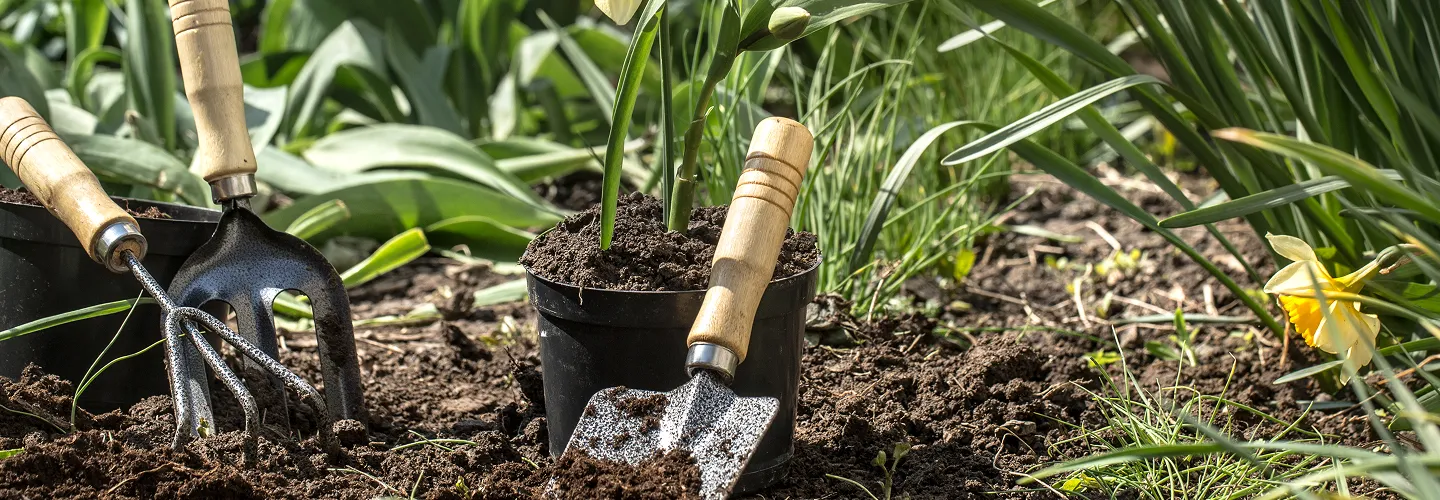
Choose our expert sod installation for a hassle-free, vibrant lawn that boosts your curb appeal and is ready to enjoy in no time.
Get a Free QuoteOur Fall River Landscaping & Yard Care Services
When to Schedule Sod Installation in Fall River, Massachusetts – Seasonal Guide
In Fall River, Massachusetts, the best time to schedule sod installation is typically during the late spring or early fall. These periods offer moderate temperatures and consistent rainfall, which are ideal for establishing healthy root systems. The city’s proximity to the Taunton River and the influence of coastal weather patterns mean that humidity levels can fluctuate, impacting how quickly sod takes root. Neighborhoods like Highlands and Maplewood, with their mix of shaded and sun-exposed yards, require careful consideration of microclimates and soil conditions.
Local factors such as the average last frost date in early May and the risk of summer droughts should guide your planning. Areas near Kennedy Park or North Watuppa Pond may experience higher soil moisture, while elevated spots like the Flint neighborhood might dry out faster. Before scheduling your project, it’s wise to check for any municipal watering restrictions or guidelines, which can be found on the official city website.
Local Factors to Consider for Sod Installation in Fall River
- Tree density and shade coverage, especially in older neighborhoods
- Soil type and drainage, which can vary between riverfront and upland areas
- Typical precipitation patterns and risk of summer drought
- Terrain slope and potential for runoff
- Municipal restrictions on watering or landscaping
- Proximity to landmarks like Kennedy Park or North Watuppa Pond, which may affect microclimates
Benefits of Sod Installation in Fall River
Instant Green Lawn
Erosion Control
Weed Reduction
Professional Installation
Locally Sourced Sod
Enhanced Curb Appeal
Fall River Sod Installation Types

Residential Sod Installation
-
Commercial Sod Installation
-
Sports Field Sod Installation
-
Golf Course Sod Installation
-
Erosion Control Sod Installation
-
Pet-Friendly Sod Installation
-
Shade-Tolerant Sod Installation
Our Sod Installation Process
Site Preparation
Soil Grading
Sod Delivery
Sod Laying
Watering and Rolling
Why Choose Fall River Landscape Services
-
Fall River Homeowners Trust Us
-
Expert Lawn Maintenance
-
Reliable Seasonal Cleanups
-
Competitive Pricing
-
Professional Team
-
Satisfaction Guarantee
-
Personalized Service
Fall River’s Glacial Till Soils: Site Preparation and Sod Installation Challenges
Sod installation in Fall River requires careful consideration of the city’s predominant glacial till soils, which are typically classified as Inceptisols and Spodosols according to the USDA Web Soil Survey. These soils are often rocky, moderately to strongly acidic (pH 5.0-6.0), and can be poorly drained in low-lying areas. Proper site preparation is essential, including removal of stones larger than 2 inches, tilling to a depth of 4-6 inches, and incorporating 2-3 inches of compost to improve organic matter. Soil testing through UMass Extension is recommended (typical cost: $15-25) to determine lime or sulfur amendments. For optimal sod rooting, maintain a final grade that slopes away from structures at 2% minimum. Sod should be installed within 24 hours of delivery to prevent desiccation.
Fall River Department of Public Works
One Government Center, Fall River, MA 02722
Phone: (508) 324-2760
Official Website: Department of Public Works
Stormwater Compliance and Wetland Buffer Requirements for Sod Projects in Fall River
Sod installation near Fall River’s wetlands, streams, and the Taunton River must comply with both local and federal stormwater regulations. The city enforces a 25-foot no-disturbance buffer from all jurisdictional wetlands, and a 50-foot setback from the edge of water bodies for fertilizer or pesticide application. The Massachusetts Environmental Policy Act (MEPA) and Clean Water Act require that sod clippings and soil amendments are kept out of storm drains to prevent nutrient runoff. Under the city’s MS4 permit, it is prohibited to allow any sod debris or sediment to enter catch basins. Best practices include:
- Installing silt fences or straw wattles on slopes >5%
- Scheduling sod work during dry weather (avoid 24 hours before/after heavy rain)
- Using slow-release, phosphorus-free fertilizers
- Maintaining a 25-foot vegetative buffer along all protected water features
Fall River Conservation Commission
One Government Center, Fall River, MA 02722
Phone: (508) 324-2550
Official Website: Conservation Commission
Optimal Sod Installation Timing and Weather Considerations in Fall River’s Climate Zone
Fall River is located in USDA Hardiness Zone 6b, with average last frost in late April and first frost in late October. The ideal window for sod installation is April 15 to June 15 in spring, and September 1 to October 15 in fall, when soil temperatures are consistently 55-65°F. Avoid installing sod during July-August due to heat stress and increased irrigation demand. Monitor local forecasts through the National Weather Service Boston/Norton Office to avoid periods of heavy rainfall, which can cause soil compaction and poor sod rooting. Key timing guidelines:
- Spring: April 15 – June 15 (soil temp 55-65°F)
- Fall: September 1 – October 15 (before first frost)
- Avoid: July-August (heat/drought risk)
- Water new sod daily for 10-14 days, then reduce frequency
Equipment Operation Hours, Safety Protocols, and Professional Standards in Fall River
Sod installation activities in Fall River are subject to municipal noise ordinances and safety standards. Equipment operation is permitted:
- Monday-Friday: 7:00 AM – 7:00 PM
- Saturday: 8:00 AM – 6:00 PM
- Sunday and holidays: Prohibited
All personnel must use ANSI Z87.1 safety glasses, hearing protection for equipment exceeding 85 dB, and steel-toed boots. When working within 15 feet of public roads, high-visibility vests and traffic cones are required. Commercial sod cutters and rollers must be maintained to manufacturer specifications, with blades sharpened every 20-25 hours of use. For projects exceeding 5,000 sq ft, notify the Department of Public Works at least 48 hours in advance for potential right-of-way or traffic control coordination.
Fall River Department of Public Works
One Government Center, Fall River, MA 02722
Phone: (508) 324-2760
Official Website: Department of Public Works
State and Federal Environmental Oversight for Sod Installation in Massachusetts
All sod installation projects in Fall River must comply with the Massachusetts Environmental Policy Act (MEPA) and the Massachusetts Department of Environmental Protection (MassDEP) MS4 stormwater program. These regulations prohibit the discharge of sediment, fertilizer, or pesticides into storm drains and require the use of erosion controls on disturbed sites. The EPA Region 1 office provides additional oversight for Clean Water Act compliance. For technical guidance on turfgrass selection, soil testing, and sustainable practices, consult UMass Extension. Key compliance steps:
- Maintain 25-foot wetland buffer
- Use only state-registered sod and fertilizer products
- Submit Notice of Intent for work within 100 feet of wetlands
- Retain records of all soil amendments and applications for 3 years
Massachusetts Department of Environmental Protection
One Winter Street, Boston, MA 02108
Phone: (617) 292-5500
Official Website: Massachusetts Department of Environmental Protection
UMass Extension
UMass Amherst, Amherst, MA 01003
Phone: (413) 545-4800
Official Website: UMass Extension
What Neighborhoods Do We Serve Throughout Fall River, MA?
- Highlands: Characterized by older properties with compacted glacial till soils and mature tree cover, requiring thorough soil amendment and careful grading for sod installation.
- South End: Features newer developments with improved drainage but occasional fill soils; larger lot sizes allow for efficient equipment access and full-lawn sod projects.
- Maplewood: Contains a mix of historic homes and mid-century properties, with variable soil pH and proximity to wetlands, necessitating strict buffer compliance and tailored soil testing.
- Flint Village: Noted for higher water tables and poorly drained soils, especially near Cook Pond, making drainage management and sod selection critical.
- North End: Includes both residential and commercial areas, with moderate slopes and some areas of shallow bedrock, requiring specialized equipment and erosion control measures.
- Downtown: Urban density, limited green space, and frequent underground utilities demand careful planning, hand tools, and coordination with city departments for any sod work.
- The Cove: Proximity to the Taunton River and conservation areas means strict adherence to wetland buffer regulations and use of phosphorus-free fertilizers is essential.