
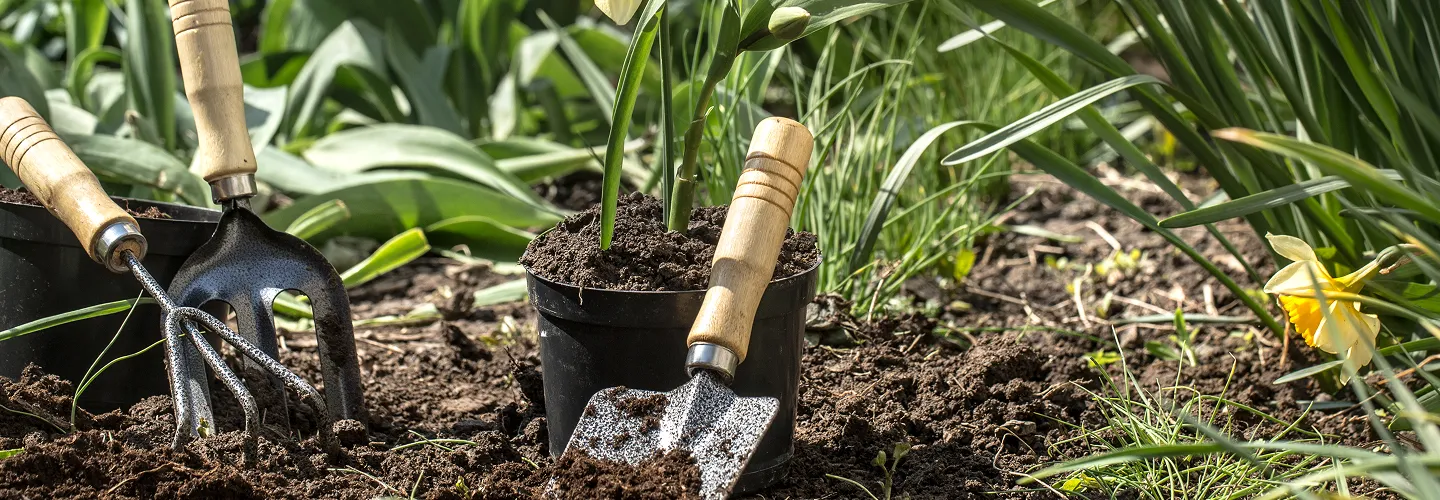
Fall River Weed Control Services
Choose our weed control services for proven results, expert care, and a commitment to keeping your lawn lush, green, and weed-free all season long.
Get a Free QuoteOur Fall River Landscaping & Yard Care Services
When to Schedule Weed Control in Fall River, Massachusetts – Seasonal Guide
In Fall River, Massachusetts, the best times to schedule weed control are early spring and late summer to early fall. The city’s coastal climate, with its humid summers and cold winters, means that weeds can germinate quickly after the last frost—typically in late April. Targeting weed control before seeds take hold, especially in neighborhoods like Highlands and Maplewood, helps maintain healthy lawns and gardens throughout the growing season.
Local factors such as the proximity to the Taunton River, varying soil types from sandy in the South End to loamier soils near Kennedy Park, and the risk of summer droughts all play a role in determining the right timing. Homeowners should also consider municipal guidelines, which can be found on the City of Sudbury’s website, to ensure compliance with local regulations and best practices.
Local Factors to Consider for Weed Control in Fall River
- Tree density and shade coverage, especially in areas like North End
- Soil type and drainage, which can vary between neighborhoods
- Average precipitation and risk of summer drought
- Frost dates and seasonal temperature shifts
- Terrain and slope, affecting runoff and weed spread
- Municipal restrictions or recommendations for herbicide use
Benefits of Weed Control in Fall River
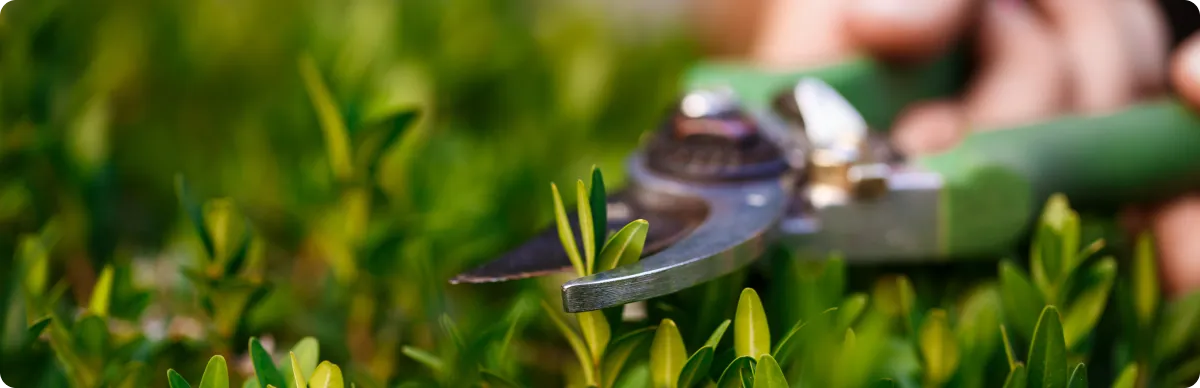
Improved Lawn Health
Enhanced Curb Appeal
Reduced Maintenance Needs
Prevention of Weed Spread
Eco-Friendly Solutions
Expert Local Knowledge
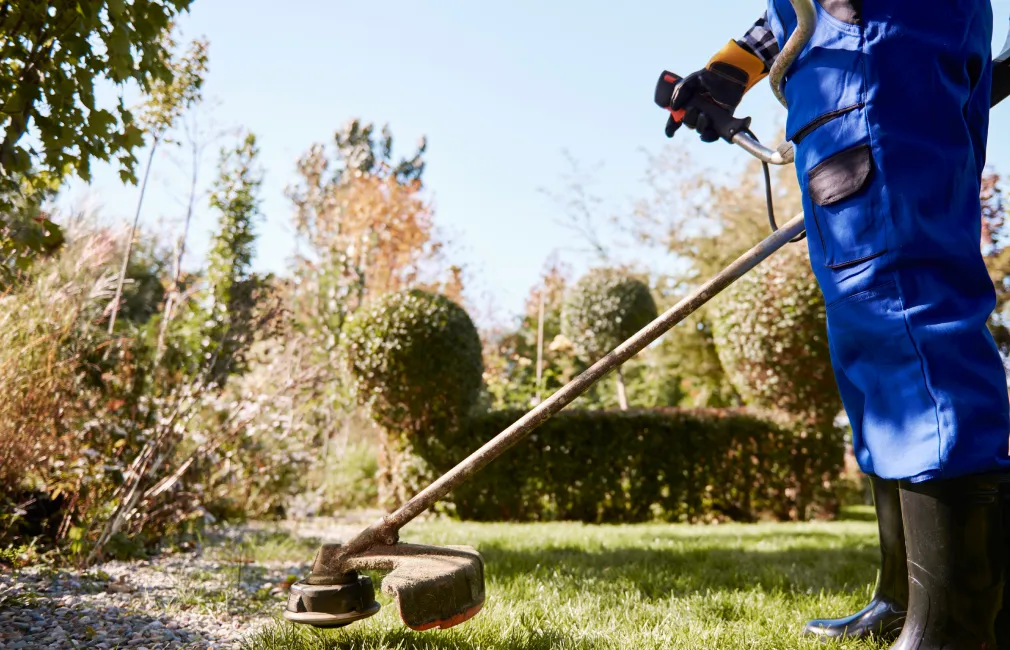
Fall River Weed Control Types

Pre-Emergent Weed Control
-
Post-Emergent Weed Control
-
Manual Weed Removal
-
Mulching for Weed Suppression
-
Organic Weed Control Solutions
-
Selective Herbicide Application
-
Landscape Fabric Installation
Our Weed Control Process
Site Evaluation
Weed Identification
Treatment Application
Follow-Up Inspection
Why Choose Fall River Landscape Services
-
Fall River Homeowners Trust Us
-
Expert Lawn Maintenance
-
Reliable Seasonal Cleanups
-
Competitive Pricing
-
Professional Team
-
Satisfaction Guarantee
-
Personalized Service
Fall River’s Glacial Till Soils and Weed Control Best Practices
Weed control in Fall River requires careful consideration of the city’s predominant glacial till soils, which are typically stony, moderately acidic (pH 5.5-6.5), and often poorly drained in low-lying areas. These conditions favor the growth of persistent broadleaf weeds such as plantain and dandelion, especially in compacted or thin turf. Effective management includes annual soil testing, lime application for pH below 6.0, and core aeration to a depth of 2-3 inches to reduce compaction. Recommended practices include:
- Soil testing every 2-3 years (available through UMass Extension, $15-25 per test)
- Lime application rates based on test results
- Compost incorporation: 2-3 inches tilled to 6-inch depth
- Use of pre-emergent herbicides in early spring (soil temp 50-55°F)
For site-specific soil data, consult the USDA Web Soil Survey.
Fall River Department of Public Works
One Government Center, Fall River, MA 02722
Phone: (508) 324-2760
Official Website: Fall River Department of Public Works
Municipal Weed Disposal and Collection Protocols in Fall River
Proper disposal of weeds and yard debris in Fall River is regulated by the Department of Public Works. Weekly curbside yard waste collection runs from April through November, with pickup every Thursday. Residents must use biodegradable paper bags or reusable bins (32-gallon maximum); plastic bags and branches over 4 inches in diameter are prohibited. Accepted materials include:
- Weeds, grass clippings, leaves
- Brush under 4 feet in length
- Small twigs and garden debris
Drop-off is available at the DPW Yard Waste Facility, open Monday-Saturday, 7:00 AM - 3:00 PM. Improper disposal, such as dumping in storm drains, violates the city’s MS4 permit under the Clean Water Act. For up-to-date schedules and facility locations:
Fall River Department of Public Works
One Government Center, Fall River, MA 02722
Phone: (508) 324-2760
Official Website: Fall River Department of Public Works
Environmental Compliance: Wetland Buffers and Stormwater Protection in Fall River
Fall River’s proximity to the Taunton River, Cook Pond, and multiple wetlands requires strict adherence to buffer regulations for weed control activities. The city enforces a 25-foot no-disturbance buffer from all wetlands and a 50-foot setback from water bodies for any chemical applications. The Massachusetts Environmental Policy Act (MEPA) and Massachusetts Department of Environmental Protection (MassDEP) require:
- No fertilizer or herbicide application within 50 feet of water bodies
- Immediate removal of debris from storm drains
- Compliance with MS4 stormwater permit prohibiting yard waste in drainage systems
Violations may result in fines and remediation orders. For guidance on buffer zones and protected areas:
Fall River Conservation Commission
One Government Center, Fall River, MA 02722
Phone: (508) 324-2561
Official Website: Fall River Conservation Commission
Equipment Operation Hours and Safety Standards for Weed Control in Fall River
The City of Fall River regulates equipment operation for weed control under municipal noise ordinances. Permitted hours for powered equipment are:
- Monday-Friday: 7:00 AM - 7:00 PM
- Saturday: 8:00 AM - 6:00 PM
- Sunday and holidays: Prohibited Operators must use commercial-grade equipment with functioning mufflers, and noise levels must not exceed 85 decibels at property lines. Required personal protective equipment (PPE) includes:
- ANSI Z87.1 safety glasses
- Hearing protection for noise above 85 dB
- Steel-toed boots and cut-resistant gloves
All operators working within 50 feet of public roads must wear high-visibility vests. For questions on compliance and safety protocols:
Fall River Department of Public Works
One Government Center, Fall River, MA 02722
Phone: (508) 324-2760
Official Website: Fall River Department of Public Works
Optimal Timing and Climate Considerations for Weed Control in Fall River
Fall River is located in USDA Hardiness Zone 6b, with average last frost in late April and first frost in late October. Effective weed control is best scheduled as follows:
- Pre-emergent herbicide: Apply mid-April (soil temp 50-55°F)
- Post-emergent treatments: May 1 - June 15 and September 1 - October 15
- Mechanical removal: Early spring and late fall, before seed set Avoid chemical applications during summer heat (July-August) to prevent turf stress. Monitor local weather through the National Weather Service Boston/Norton office for optimal timing. For additional climate and plant health guidance, consult UMass Extension.
What Neighborhoods Do We Serve Throughout Fall River, MA?
- Highlands: Characterized by mature tree cover, historic properties, and compacted glacial till soils, requiring frequent aeration and careful weed management to protect established landscapes.
- South End: Features newer developments with moderate drainage and larger lot sizes, where weed control must address both turf and invasive species along property edges.
- Flint Village: Known for higher water tables and proximity to Cook Pond, necessitating strict adherence to wetland buffer regulations and careful chemical application.
- Maplewood: Contains a mix of residential and commercial properties, with variable soil compaction and increased risk of weed spread from adjacent vacant lots.
- North End: Includes sloped sites and areas near the Taunton River, where erosion control and stormwater compliance are critical during weed removal activities.
- Downtown: Urban fill soils and limited green space require targeted weed control methods and coordination with city maintenance schedules to avoid disruption.
- Steep Brook: Proximity to conservation land and sensitive habitats demands the use of non-chemical weed management and strict compliance with city environmental ordinances.