
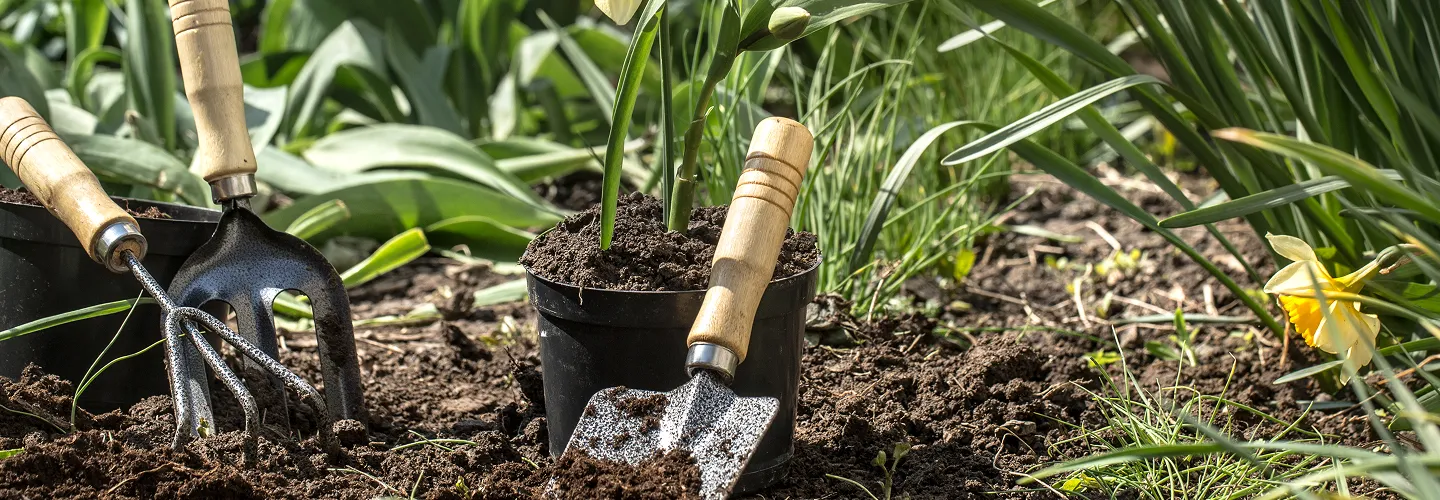
Fall River Lawn Installation Services
Choose our expert lawn installation for a seamless, hassle-free transformation—enjoy a vibrant, healthy yard that boosts your home's curb appeal and value, all backed by our commitment to quality and customer satisfaction.
Get a Free QuoteOur Fall River Landscaping & Yard Care Services
When to Schedule Lawn Installation in Fall River, Massachusetts – Seasonal Guide
In Fall River, Massachusetts, the best times for lawn installation are typically late spring and early fall. These periods offer moderate temperatures and consistent rainfall, which are ideal for establishing new grass. The city’s proximity to the Taunton River and Mount Hope Bay means humidity levels can fluctuate, so timing your installation to avoid the peak summer heat or late autumn frosts is crucial for healthy turf. Neighborhoods like Highlands and Maplewood, with their mix of shaded and sunlit yards, require careful consideration of local microclimates and soil conditions.
When planning your project, it’s important to account for factors such as the average last frost date, which usually falls in late April, and the risk of summer droughts that can stress young lawns. Areas near Kennedy Park or North Watuppa Pond may experience higher moisture levels, while properties closer to downtown might face more compacted soils. For more information on local environmental guidelines, visit the official Sudbury municipal site.
Local Factors to Consider for Lawn Installation in Fall River
- Tree density and shade coverage, especially in neighborhoods like Flint Village
- Soil type and drainage, which can vary between the South End and Steep Brook
- Average precipitation and risk of summer droughts
- Terrain and slope, affecting water runoff and soil retention
- Municipal restrictions or watering schedules
- Proximity to bodies of water, influencing humidity and soil moisture
Benefits of Lawn Installation in Fall River
Expert Local Knowledge
Premium Quality Sod
Efficient Project Completion
Customized Lawn Solutions
Sustainable Landscaping Practices
Comprehensive Aftercare Support
Fall River Lawn Installation Types

Sod Installation
-
Hydroseeding
-
Artificial Turf Installation
-
Traditional Seeding
-
Eco-Friendly Lawn Alternatives
-
Overseeding Existing Lawns
-
Native Grass Lawns
Our Lawn Installation Process
Site Evaluation
Soil Preparation
Lawn Installation
Watering and Initial Care
Why Choose Fall River Landscape Services
-
Fall River Homeowners Trust Us
-
Expert Lawn Maintenance
-
Reliable Seasonal Cleanups
-
Competitive Pricing
-
Professional Team
-
Satisfaction Guarantee
-
Personalized Service
Soil Series and Drainage Considerations for Lawn Installation in Fall River
Lawn installation in Fall River requires careful assessment of local soil series, which predominantly include Hinckley sandy loam and Paxton fine sandy loam, as identified by the USDA Web Soil Survey. These soils are typically acidic (pH 5.2-6.0) and may be excessively drained or moderately well-drained, impacting turf establishment and irrigation needs. For optimal results, soil testing is recommended prior to installation, with amendments such as lime for pH adjustment and compost at 2-3 inches tilled to a 6-inch depth. Poorly drained sites, especially near the Quequechan River and South Watuppa Pond, may require subsurface drainage or raised bed construction. Soil test kits and guidance are available through UMass Extension.
Fall River Department of Public Works
One Government Center, Fall River, MA 02722
Phone: (508) 324-2760
Official Website: Fall River Department of Public Works
Seasonal Timing and Climate Zone Guidance for New Lawns in Fall River
Fall River is located in USDA Hardiness Zone 6b, with average last frost in late April and first frost in late October. The optimal window for cool-season grass seeding, such as Kentucky bluegrass (Poa pratensis) and perennial ryegrass (Lolium perenne), is August 20 to September 30, when soil temperatures are 55-65°F and rainfall is more consistent. Spring seeding is possible from April 15 to May 30, but may require supplemental irrigation due to variable rainfall. Avoid installation during June-August, as heat stress and drought risk are elevated. For up-to-date weather and soil temperature data, consult the National Weather Service Boston/Norton office.
- Spring seeding: April 15 – May 30
- Fall seeding: August 20 – September 30
- Avoid: June – August (heat/drought risk)
Municipal Ordinances and Equipment Operation Standards for Lawn Installation in Fall River
Lawn installation activities in Fall River are subject to municipal noise ordinances and public right-of-way regulations. Equipment operation is permitted:
- Monday-Friday: 7:00 AM – 7:00 PM
- Saturday: 8:00 AM – 6:00 PM
- Sunday and holidays: Prohibited
All commercial operators must use equipment with functioning mufflers, and noise levels should not exceed 85 decibels at property lines. When working near public sidewalks or streets, a minimum 3-foot clearance must be maintained, and safety cones are required for any equipment staged within 10 feet of the roadway. For projects involving soil disturbance over 500 square feet, a permit from the Department of Public Works is required, with a $50 application fee and a 5-10 business day review period.
Fall River Department of Public Works
One Government Center, Fall River, MA 02722
Phone: (508) 324-2760
Official Website: Fall River Department of Public Works
Environmental Compliance: Stormwater, Wetlands, and State Regulations in Fall River
Lawn installation must comply with the Massachusetts Environmental Policy Act (MEPA) and the Clean Water Act, as well as local MS4 stormwater permit requirements. No soil disturbance or fertilizer application is allowed within 25 feet of wetlands or 50 feet of water bodies such as South Watuppa Pond. Grass clippings and soil must not enter storm drains, per EPA Phase II regulations. Buffer zones are enforced by the Conservation Commission, and violations may result in fines. For guidance on compliance, contact:
Fall River Conservation Commission
One Government Center, Fall River, MA 02722
Phone: (508) 324-2561
Official Website: Fall River Conservation Commission
Massachusetts Department of Environmental Protection
Boston, MA
Official Website: Massachusetts Department of Environmental Protection
What Neighborhoods Do We Serve Throughout Fall River, MA?
- Highlands: Characterized by mature tree cover and historic properties, Highlands often presents compacted soils and narrow lot access, requiring specialized equipment and careful site preparation.
- South End: Proximity to South Watuppa Pond and wetlands means strict buffer enforcement and frequent drainage challenges, especially in low-lying areas.
- Maplewood: This residential area features a mix of older and newer homes, with variable soil compaction and moderate slopes that affect water runoff and installation methods.
- Flint Village: Known for its dense development and smaller lots, Flint Village requires attention to municipal right-of-way rules and careful debris management during installation.
- North End: Larger lots and newer developments in the North End offer better access for equipment, but sandy soils may require additional organic amendments for turf establishment.
- Downtown: Urban fill soils and high pedestrian traffic necessitate strict adherence to noise ordinances and safety protocols, with limited installation windows due to business activity.