
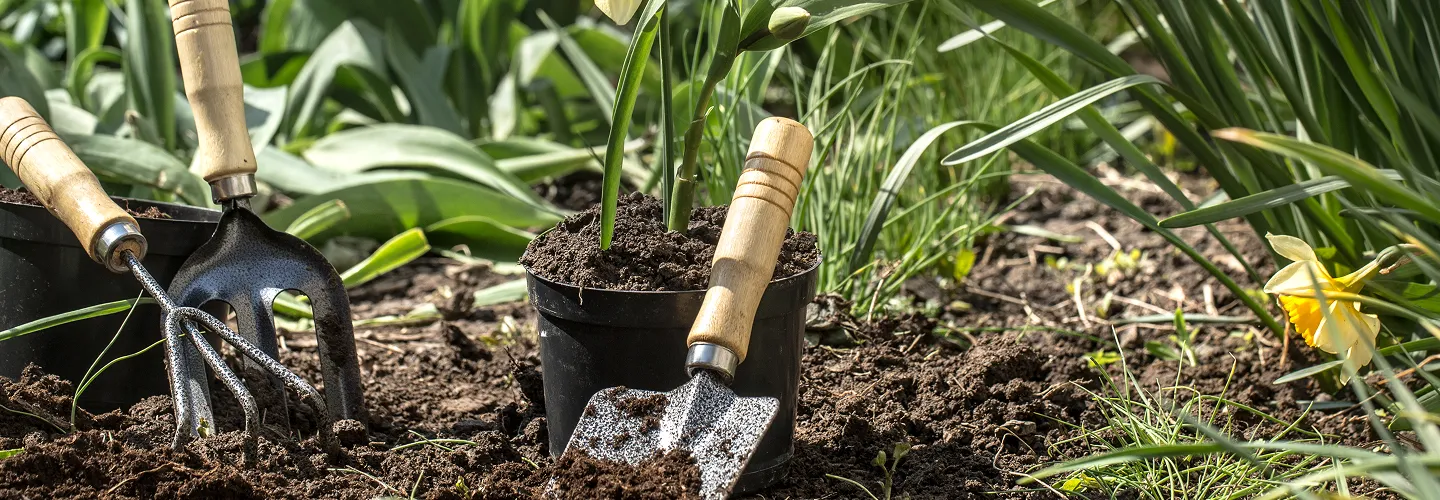
Fall River Lawn Leveling Services
Choose our expert lawn leveling services for a smoother, healthier yard that enhances curb appeal, prevents drainage issues, and creates the perfect foundation for outdoor enjoyment.
Get a Free QuoteOur Fall River Landscaping & Yard Care Services
When to Schedule Lawn Leveling in Fall River, Massachusetts – Seasonal Guide
In Fall River, Massachusetts, the best time to schedule lawn leveling is typically during late spring or early fall. These seasons offer moderate temperatures and consistent rainfall, which help newly leveled lawns recover and establish healthy growth. The local climate, characterized by humid summers and cold winters, means that working the soil before the first frost—usually in late October—or after the last frost in early April is ideal. Neighborhoods near Kennedy Park or along the Taunton River often experience varying soil types, from sandy loam to heavier clay, which can impact the timing and approach to lawn leveling.
Environmental factors such as shade from mature trees in the Highlands district, the risk of summer droughts, and the region’s high humidity all play a role in determining the optimal window for this service. Homeowners should also be aware of municipal guidelines and seasonal water restrictions, which can be found on the City of Sudbury’s official website, to ensure compliance when planning lawn improvements.
Local Factors to Consider for Lawn Leveling in Fall River
- Tree density and shade coverage, especially in older neighborhoods
- Soil composition and drainage, which vary across the city
- Average precipitation and risk of drought during summer months
- Frost dates impacting soil workability
- Terrain slope and proximity to water bodies like South Watuppa Pond
- Municipal restrictions on landscaping and water usage
Benefits of Lawn Leveling in Fall River

Enhanced Curb Appeal
Improved Lawn Health
Smoother Mowing Experience
Better Water Drainage
Increased Property Value
Reduced Risk of Lawn Damage
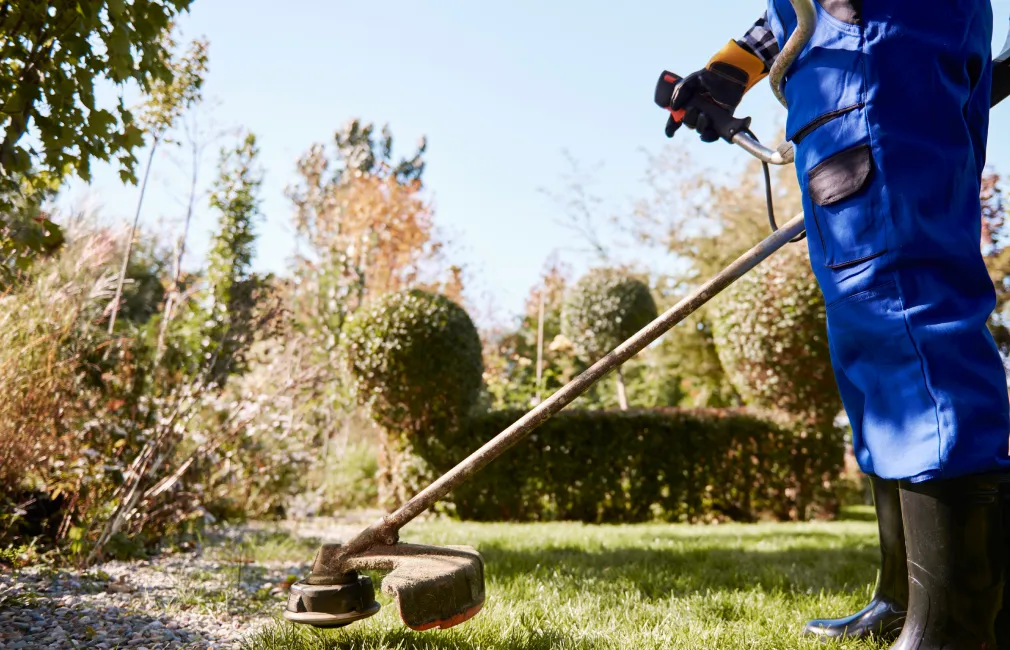
Fall River Lawn Leveling Types

Topdressing Lawn Leveling
-
Sand Lawn Leveling
-
Soil Lawn Leveling
-
Power Raking Leveling
-
Manual Lawn Leveling
-
Laser-Guided Lawn Leveling
-
Sod Replacement Leveling
Our Lawn Leveling Process
Site Evaluation
Soil Preparation
Leveling Application
Compaction
Final Inspection
Why Choose Fall River Landscape Services
-
Fall River Homeowners Trust Us
-
Expert Lawn Maintenance
-
Reliable Seasonal Cleanups
-
Competitive Pricing
-
Professional Team
-
Satisfaction Guarantee
-
Personalized Service
Fall River’s Glacial Till Soils: Implications for Lawn Leveling and Drainage
Lawn leveling in Fall River requires careful consideration of the city’s predominant glacial till soils, which are typically classified as Inceptisols and Spodosols according to the USDA Web Soil Survey. These soils are often rocky, moderately to poorly drained, and have a pH range of 5.5 to 6.5. In many neighborhoods, shallow bedrock and compacted urban fill further complicate grading and drainage. Best practices include removing surface stones, incorporating 2-3 inches of compost tilled to a 6-inch depth, and conducting a soil test (available through UMass Extension, $15-25 per sample) to determine amendment needs. For persistent drainage issues, French drains or regrading to direct runoff away from structures may be necessary. Maintaining a minimum 2% slope away from buildings is recommended to prevent water accumulation and protect local water bodies such as the Taunton River and South Watuppa Pond.
Municipal Coordination: Fall River Department of Public Works Requirements for Lawn Grading
All lawn leveling activities in Fall River must comply with municipal ordinances regarding soil disturbance, debris disposal, and equipment operation. The Department of Public Works oversees permitting for significant grading projects, especially those exceeding 100 cubic feet of soil movement or within 25 feet of wetlands. Permit applications typically require a $50 fee and a 10-business-day review period. Equipment operation is restricted to:
- Monday-Friday: 7:00 AM - 7:00 PM
- Saturday: 8:00 AM - 6:00 PM
- Sunday and holidays: Prohibited
Debris, including sod and soil, must be disposed of at the city’s designated transfer station; plastic bags are not permitted. For projects near public rights-of-way, traffic control measures and advance notification to the city are required.
Fall River Department of Public Works
One Government Center, Fall River, MA 02722
Phone: (508) 324-2760
Official Website: Fall River Department of Public Works
Environmental Compliance: Wetland Buffers and Stormwater Management in Fall River
Lawn leveling near wetlands, streams, or conservation areas in Fall River is subject to strict buffer requirements under both city ordinance and the Massachusetts Environmental Policy Act (MEPA). A 25-foot no-disturbance buffer is enforced for all work adjacent to mapped wetlands, and a 50-foot setback is required for fertilizer or soil amendment applications. The city’s MS4 permit, regulated by the Massachusetts Department of Environmental Protection, prohibits the discharge of soil, grass clippings, or sediment into storm drains. Best practices include:
- Installing silt fences or straw wattles on slopes
- Scheduling work during dry weather to minimize runoff
- Avoiding soil movement within 48 hours of forecasted rain (National Weather Service)
- Maintaining vegetative cover on disturbed areas
Violations may result in fines or project delays. For guidance, consult the city’s Conservation Commission.
Fall River Conservation Commission
One Government Center, Fall River, MA 02722
Phone: (508) 324-2231
Official Website: Fall River Conservation Commission
Seasonal Timing and Weather Considerations for Lawn Leveling in Fall River
Optimal timing for lawn leveling in Fall River is late summer to early fall, specifically August 20 through September 30, when soil temperatures range from 60°F to 70°F and rainfall is moderate. This window allows for rapid turf recovery and minimizes erosion risk. Avoid leveling during June-August due to heat stress and in early spring when soils are saturated. Monitor local forecasts through the National Weather Service Boston/Norton Office to avoid scheduling work before heavy rain events. For cool-season grasses such as Kentucky bluegrass (Poa pratensis) and perennial ryegrass (Lolium perenne), reseeding should occur immediately after leveling, with a recommended seeding rate of 3-4 lbs per 1,000 sq ft. Irrigate newly leveled areas to maintain consistent soil moisture until establishment. For additional climate and turf management guidance, refer to UMass Extension.
Safety Protocols and Equipment Standards for Lawn Leveling in Fall River
All lawn leveling operations in Fall River must adhere to municipal safety standards and equipment regulations. Operators are required to use commercial-grade leveling equipment with functioning mufflers, and noise levels must not exceed 85 decibels at property lines. Personal protective equipment (PPE) is mandatory, including:
- Eye protection: ANSI Z87.1 safety glasses
- Hearing protection: Earmuffs or plugs for 85+ dB
- Footwear: Steel-toed, non-slip boots
- Gloves: Cut-resistant for handling tools Maintain a 15-foot clearance from overhead utilities and a 10-foot buffer from public sidewalks during equipment operation. All personnel must be trained in safe equipment use and site hazard identification. For projects near public infrastructure, coordinate with the Department of Public Works for traffic control and safety plan approval.
What Neighborhoods Do We Serve Throughout Fall River, MA?
- Highlands: Characterized by mature trees, historic homes, and compacted glacial till soils, requiring careful grading and debris management.
- South End: Features larger lots with variable drainage and proximity to South Watuppa Pond, necessitating strict wetland buffer compliance.
- Maplewood: Urban fill and moderate slopes are common, with frequent soil compaction and runoff challenges during heavy rain.
- North End: Newer developments with sandy loam soils and improved drainage, but subject to HOA landscaping standards and setback requirements.
- Flint Village: Dense housing, narrow streets, and overhead utilities require specialized equipment and adherence to city noise ordinances.
- Downtown: Limited green space, high pedestrian traffic, and historic district regulations impact timing and access for lawn leveling projects.
- Steep Brook: Proximity to conservation land and sloped terrain demand erosion control measures and coordination with the Conservation Commission.